Why Slow Camera Movement Improves Comfort in VR
Introduction
One of the biggest challenges in VR is maintaining viewer comfort while preserving immersion. Many VR videos feel overwhelming not because of content quality, but because of rapid or unstable camera movement.
Slow camera motion plays a crucial role in reducing motion sickness, improving realism, and helping viewers feel present inside the virtual environment.
Understanding how movement speed affects perception can dramatically improve both filming results and viewer experience.
What Causes Discomfort in Fast-Moving VR Footage
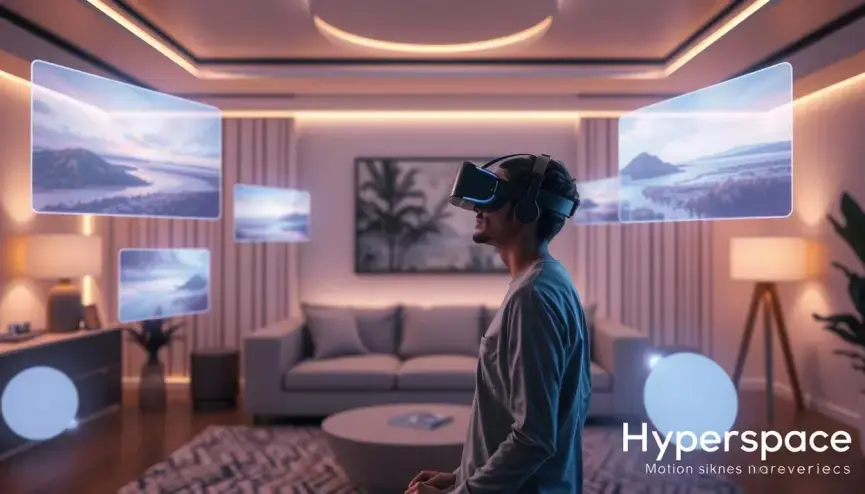
In traditional video, fast movement often creates excitement. In VR, however, the viewer’s brain expects physical motion to match visual motion.
When the camera moves quickly:
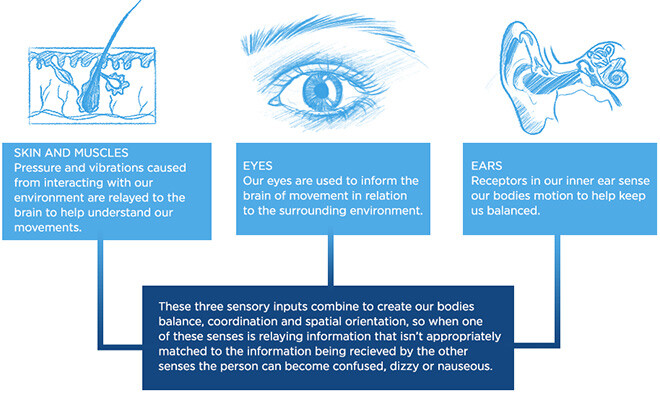
The inner ear detects no real movement
Visual signals suggest rapid motion
The brain experiences sensory conflict
This mismatch is one of the main causes of VR discomfort and nausea.
How Slow Movement Helps the Brain Process VR Naturally
Slow camera movement gives the brain time to:
Interpret depth cues
Adjust to spatial changes
Maintain balance perception
Because POV VR mimics natural human vision, smoother motion feels more like walking or turning in real life.
The result is:
Increased comfort
Longer watch sessions
Greater immersion
Slow Movement vs Sudden Motion in POV VR
Sudden camera changes can break immersion instantly.
Fast movements often create:
Disorientation
Visual overload
Loss of spatial awareness
Slow, continuous motion:
Preserves environmental context
Supports eye-level perspective
Keeps viewer attention focused
This is why many high-retention VR videos use gradual motion rather than abrupt transitions.
Real Examples From POV and Eye-Level VR Content
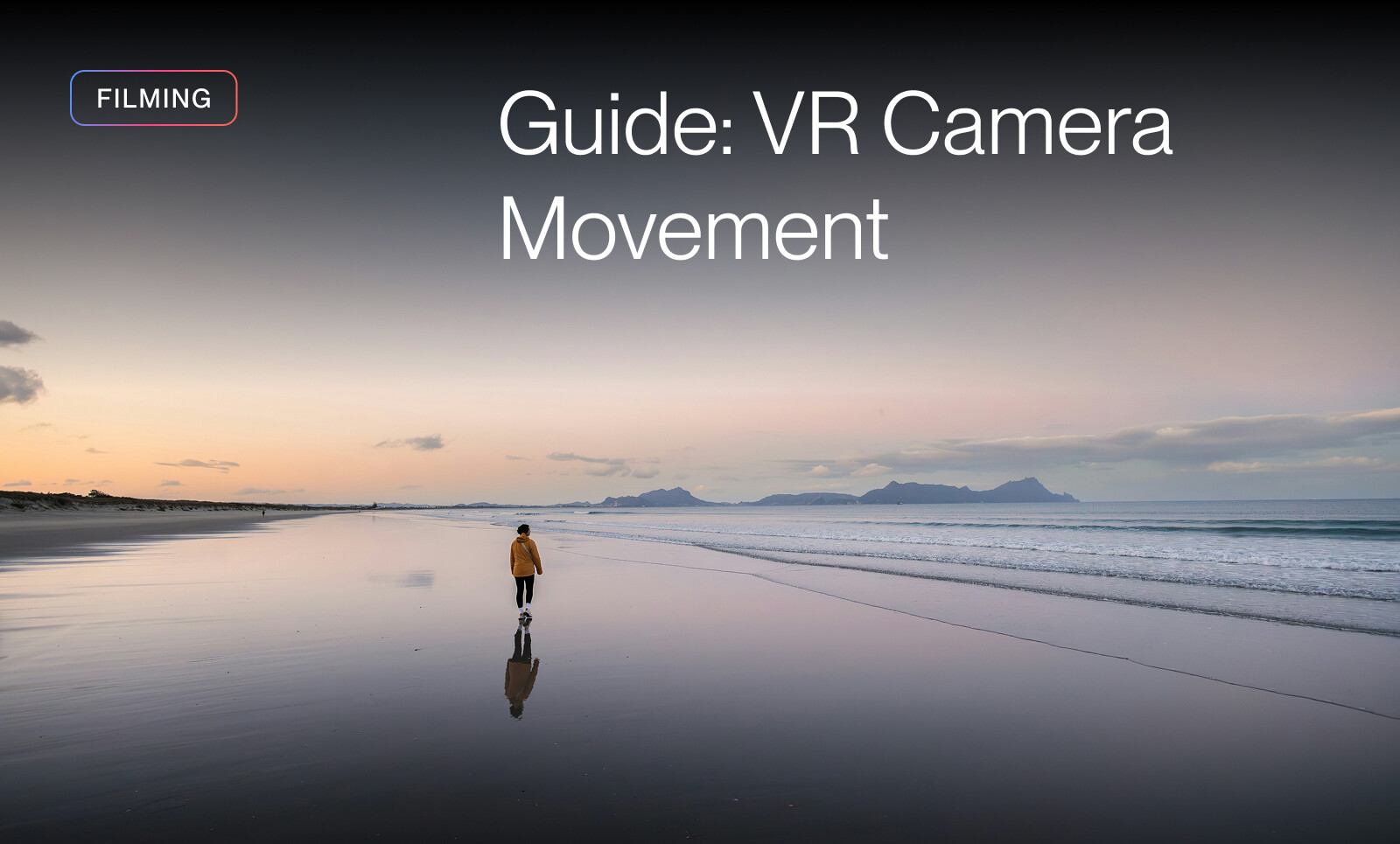
Comfortable VR videos often share common traits:
Slow forward-facing motion
Eye-level perspective
Minimal vertical shake
These filming choices allow viewers to feel present without cognitive overload.
Many POV videos designed for immersive storytelling prioritize calm camera pacing over dramatic movement.
Filming Techniques for Smooth VR Camera Movement
Creators can improve viewer comfort using simple production techniques:
Use stabilization rigs
Avoid rapid acceleration
Maintain consistent speed
Keep camera near natural eye level
Plan movement paths before filming
Reduce sudden rotation
These adjustments significantly reduce motion sickness risk.
When Faster Movement Works (And When It Doesn’t)
Fast movement may still be effective when:
The viewer controls movement (interactive VR)
Movement occurs in short bursts
Visual reference points remain stable
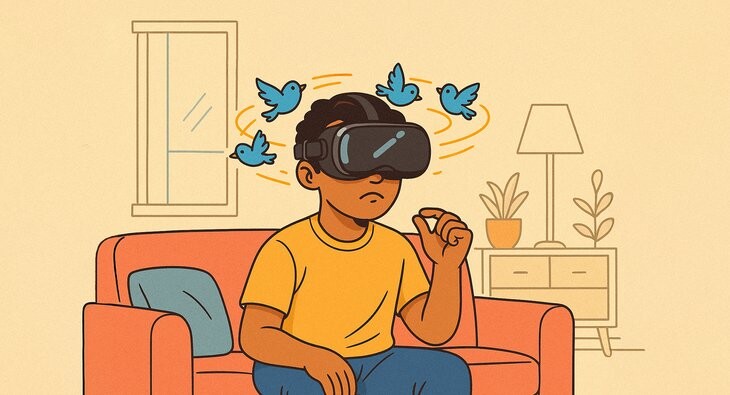
However, uncontrolled rapid camera motion in passive VR videos often leads to viewer fatigue and early exit.
Final Thoughts
Slow camera movement is one of the most effective ways to improve VR comfort without sacrificing immersion.
By aligning motion speed with natural human perception, creators can produce VR experiences that feel more realistic, stable, and enjoyable for longer viewing sessions.
As VR storytelling evolves, slow and controlled camera motion continues to be a defining feature of high-quality POV content.