Why Stable Camera Movement Matters in VR
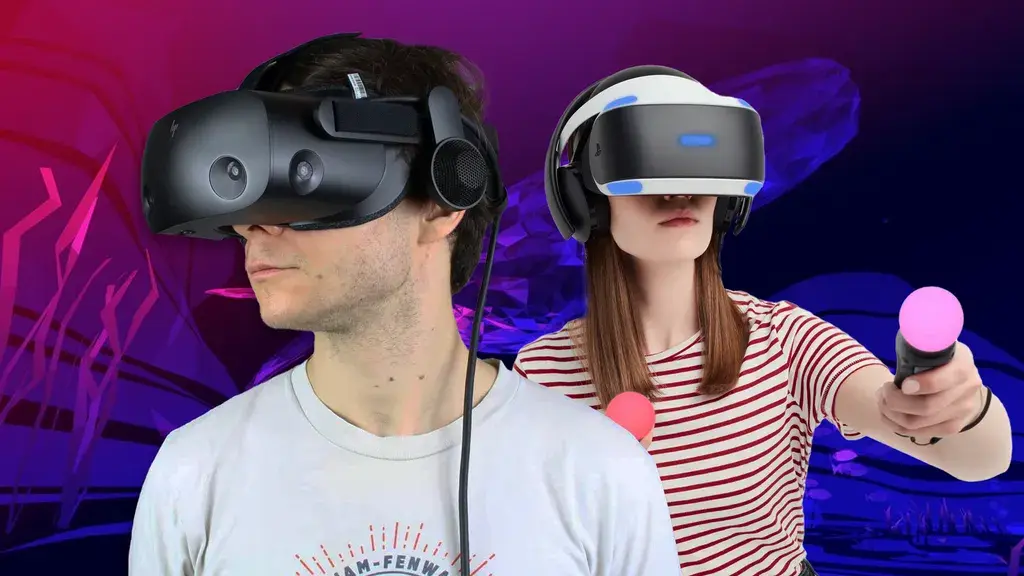
Stable camera movement refers to motion that feels natural, predictable, and aligned with human expectations.
Characteristics include:
Smooth transitions
Consistent speed
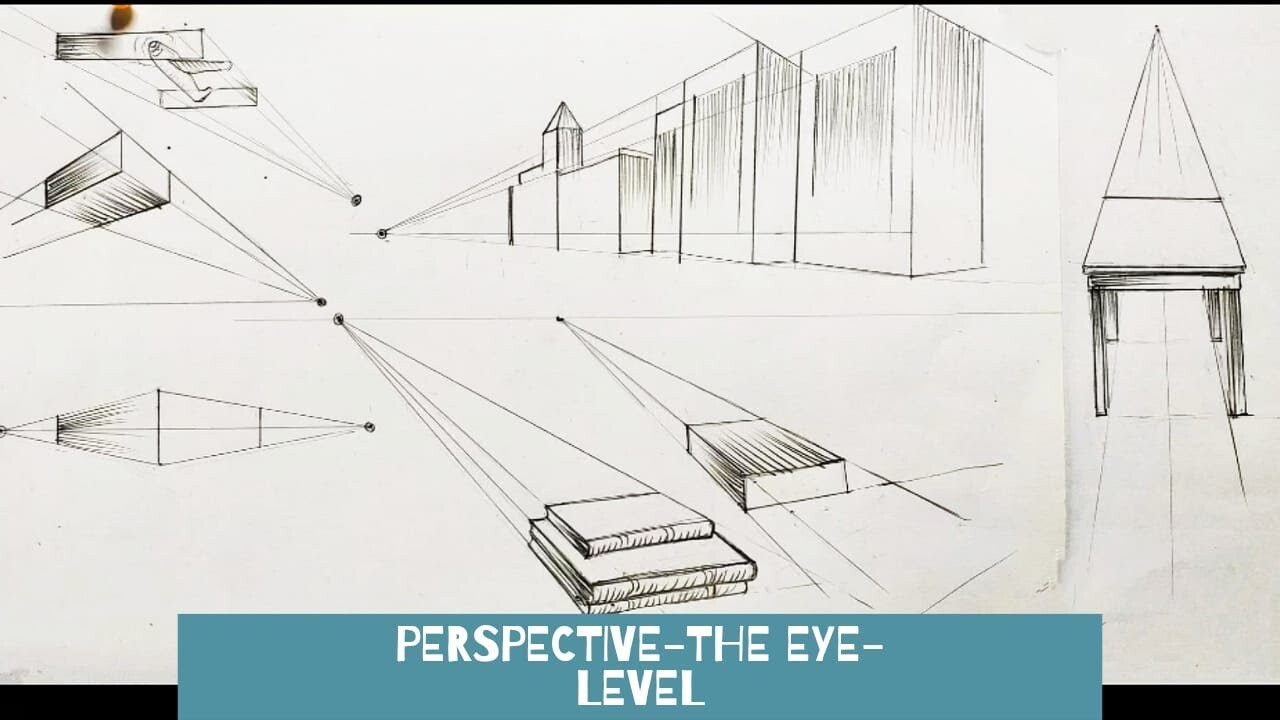
Natural eye-level positioning
Minimal sudden shifts
1. Reduces Motion Sickness
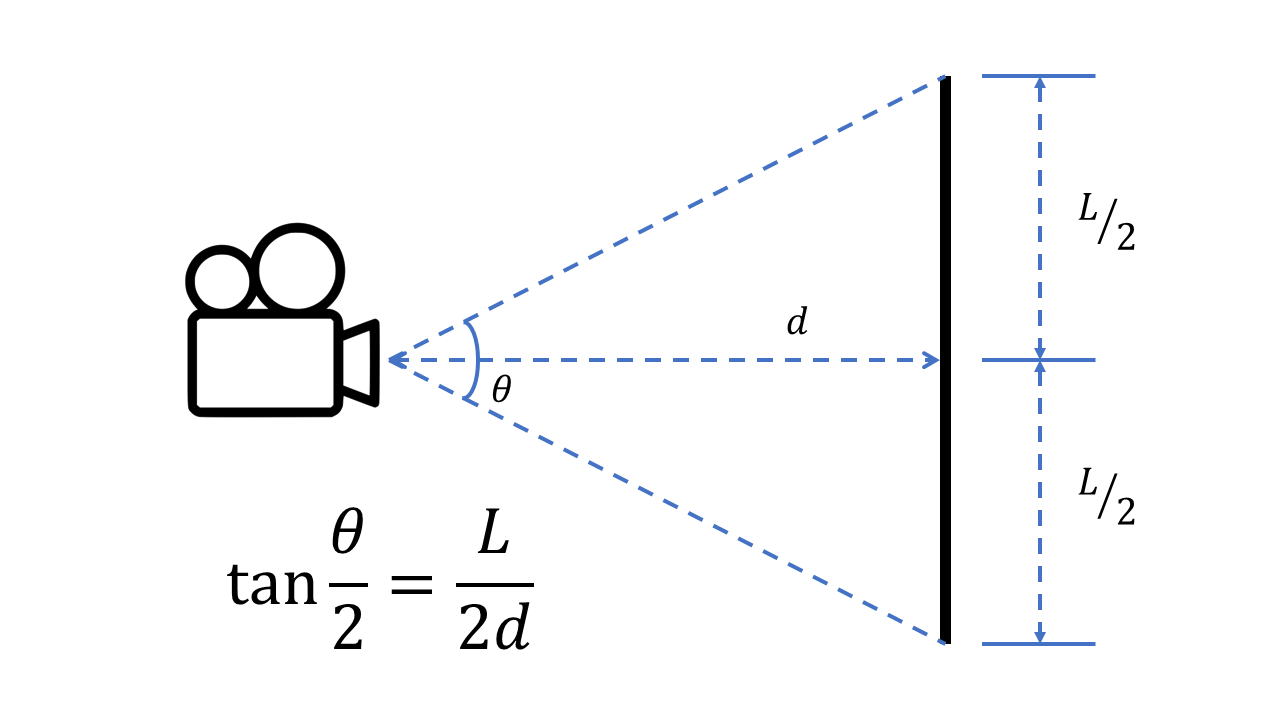
One of the main causes of VR discomfort is unexpected motion.
Unstable camera movement can:
Trigger nausea
Cause dizziness
Increase visual fatigue
Stable motion helps align visual input with the brain’s expectations.
2. Maintains Presence and Immersion
Presence relies on believable movement.
When camera motion is stable:
The environment feels grounded
Spatial awareness remains intact
Viewers stay immersed longer
Sudden jumps or shaking immediately break realism.
3. Improves Depth and Spatial Awareness
Stable motion allows viewers to:
Track object movement accurately
Understand distance better
Maintain focus on important elements
This improves the sense of being physically present.
4. Enhances POV and Eye-Level Experiences

Stable camera movement works best when combined with:
Eye-level POV
Forward-facing 180° formats
Consistent camera height
Together, these factors create comfortable, immersive viewing.
5. Supports Longer Viewing Sessions
When motion feels natural:
Viewers can watch longer
Eye strain is reduced
Overall experience feels effortless
Comfort leads to higher engagement.
Common Camera Movement Mistakes
Rapid directional changes
Unnecessary camera shaking
Sudden zooming
Inconsistent motion speed
Avoiding these issues significantly improves VR realism.
Final Thoughts
Stable camera movement is one of the most important foundations of VR comfort. By prioritizing smooth motion, creators can enhance realism, reduce discomfort, and deliver more immersive experiences.