Why Eye-Level POV Feels More Real in VR
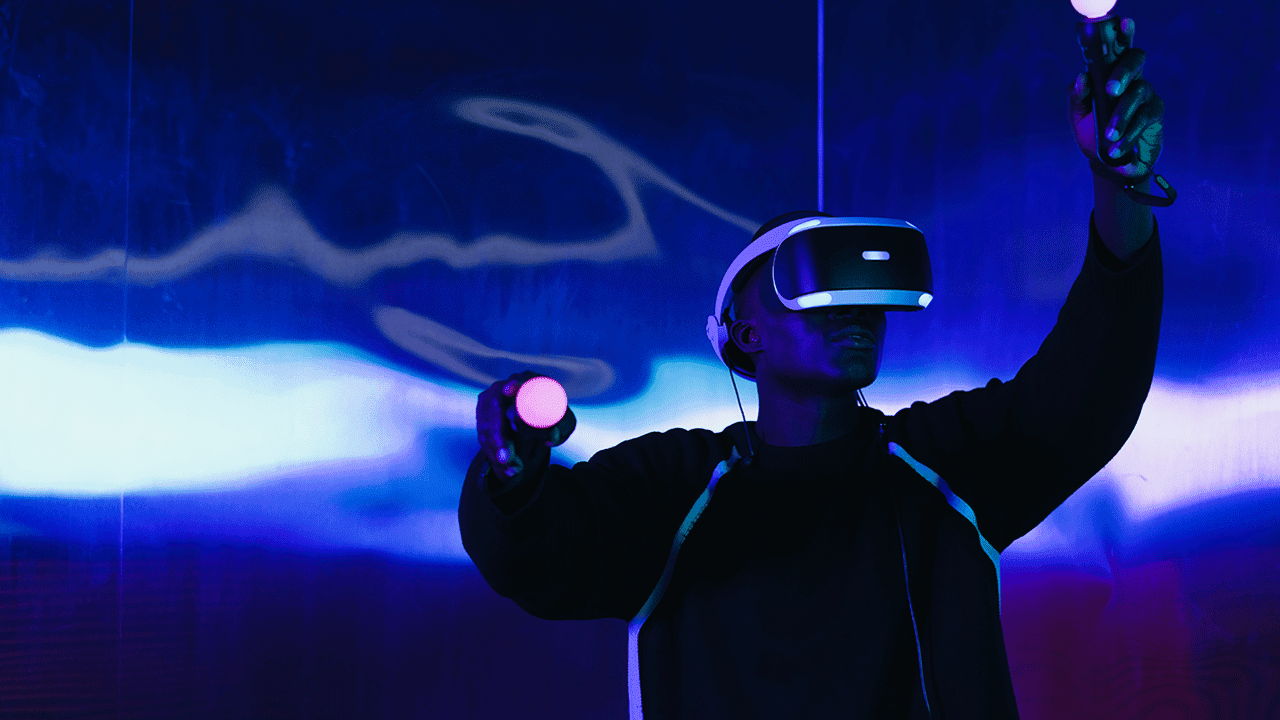
One of the most important yet often overlooked factors in virtual reality immersion is camera height—specifically, whether the camera is positioned at eye level.
In POV (first-person) VR experiences, eye-level placement plays a major role in how real, natural, and comfortable the experience feels. But why does this simple detail matter so much?
Let’s break it down.
What Is Eye-Level POV in VR?
Eye-level POV refers to placing the VR camera at the approximate height of a human viewer’s eyes.
Instead of looking:
Too high (floating perspective)
Too low (short or distorted perspective)
Eye-level POV mirrors how we naturally see the world in real life.
This alignment between virtual perspective and human perception is what makes the experience feel believable.
1. Natural Perspective Matches Human Vision
Our brains are highly sensitive to perspective errors.
When camera height is off:
Objects feel unnaturally large or small
Distances seem wrong
The scene feels “off” even if users can’t explain why
Eye-level POV:
Preserves realistic proportions
Maintains correct spatial relationships
Feels immediately familiar
This is why eye-level POV often creates instant immersion.
2. Stronger Sense of Presence

Presence is the feeling of “being there.”
Eye-level POV enhances presence by:
Aligning virtual eye position with physical expectation
Reducing subconscious disbelief
Making interactions feel direct and personal
When the camera height feels right, users stop noticing the technology and focus on the experience.
3. Improved Depth and Scale Perception
Depth perception depends heavily on perspective cues.
With eye-level POV:
Objects appear at believable distances
Body proportions feel realistic
Movements feel grounded rather than floating
Incorrect camera height can break immersion by distorting scale—even in high-resolution VR.
4. Reduced Motion Discomfort
Comfort and realism are closely linked.
Eye-level POV:
Reduces sensory conflict
Minimizes disorientation
Feels more stable during movement
When the camera is too high or too low, users may experience mild discomfort—even without obvious motion.
5. Better Emotional Connection in POV Experiences
Eye-level POV also affects emotional realism.
Because:
The viewpoint feels personal
Eye contact appears natural
Interactions feel direct rather than staged
This is especially important in POV-based VR content, where connection and realism matter most.
6. Why Eye-Level POV Works So Well With 180° VR
Eye-level POV pairs perfectly with 180° VR formats.
Together they:
Limit unnecessary head movement
Focus attention forward
Create a relaxed, immersive experience
This combination is one of the reasons many users prefer 180° POV VR over full 360° environments.
7. Common Eye-Level POV Mistakes
Even small errors can break immersion:
Camera placed too high → floating sensation
Camera too low → distorted scale
Inconsistent camera height between scenes
Consistent, human-centered camera placement is key.
Final Thoughts
Eye-level POV feels more real because it mirrors how humans naturally experience the world.
By aligning camera height with human perception, VR creators can:
Increase immersion
Improve comfort
Build stronger presence and realism
Sometimes, realism isn’t about more technology—it’s about better perspective.